2026
machi
wiki
jumatatu
sea stirred·wind shifting·rain most days
embe in flower
best for — low-season quiet, green light, reading weeks
the most private period.
Eid al-Fitr
mar 9 – 10 · island-wide
the end of ramadan. stone town fills, family days, new clothes.
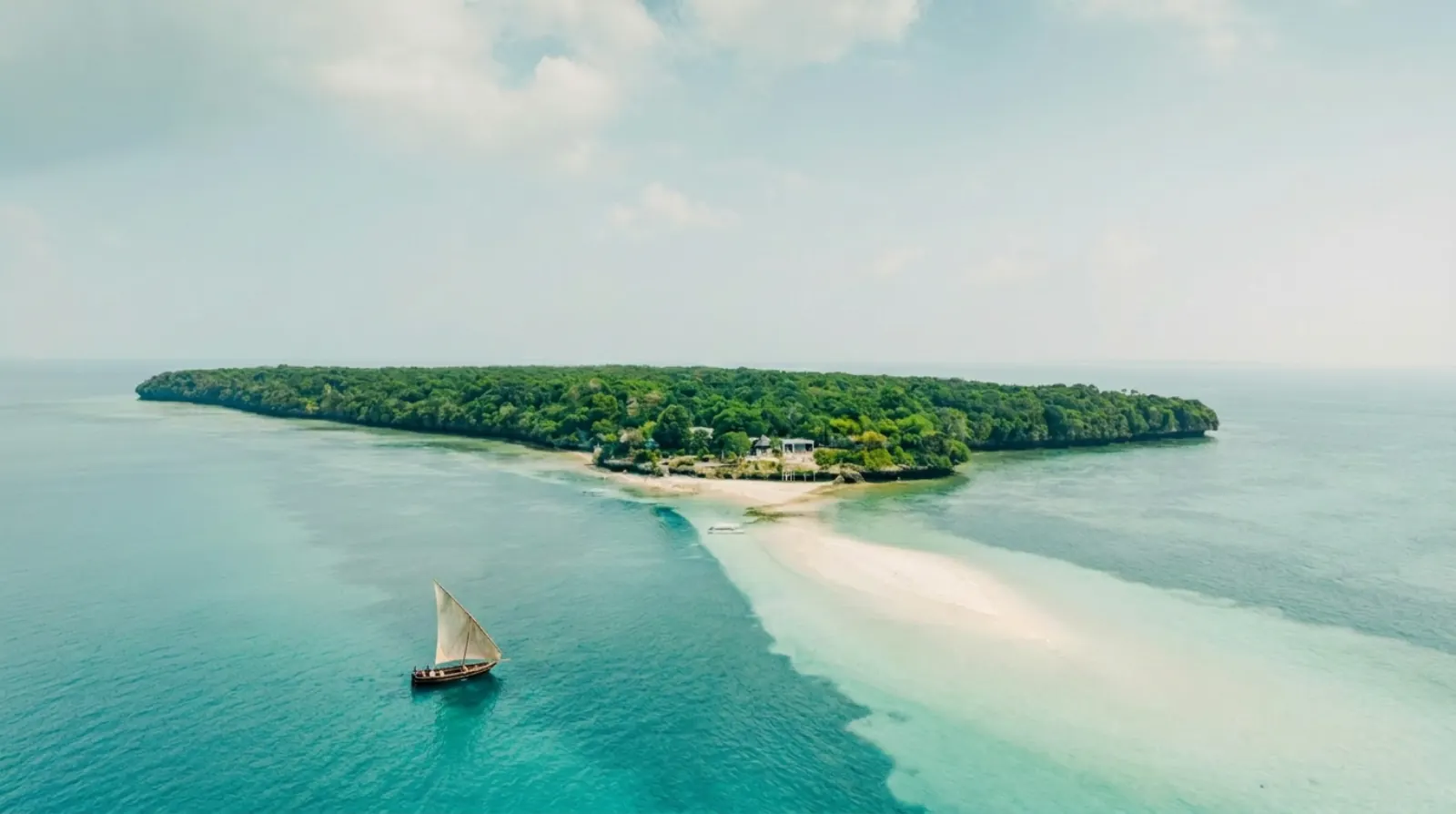
niamembe
distance. reset.
Zanzibar — a week on the island
The Zanzibar week unfolds across four marked days and three quiet ones. The four days each carry a path: distance, mainland, sunset, the long table.
- Niamembe (Mon) — distance, reset.
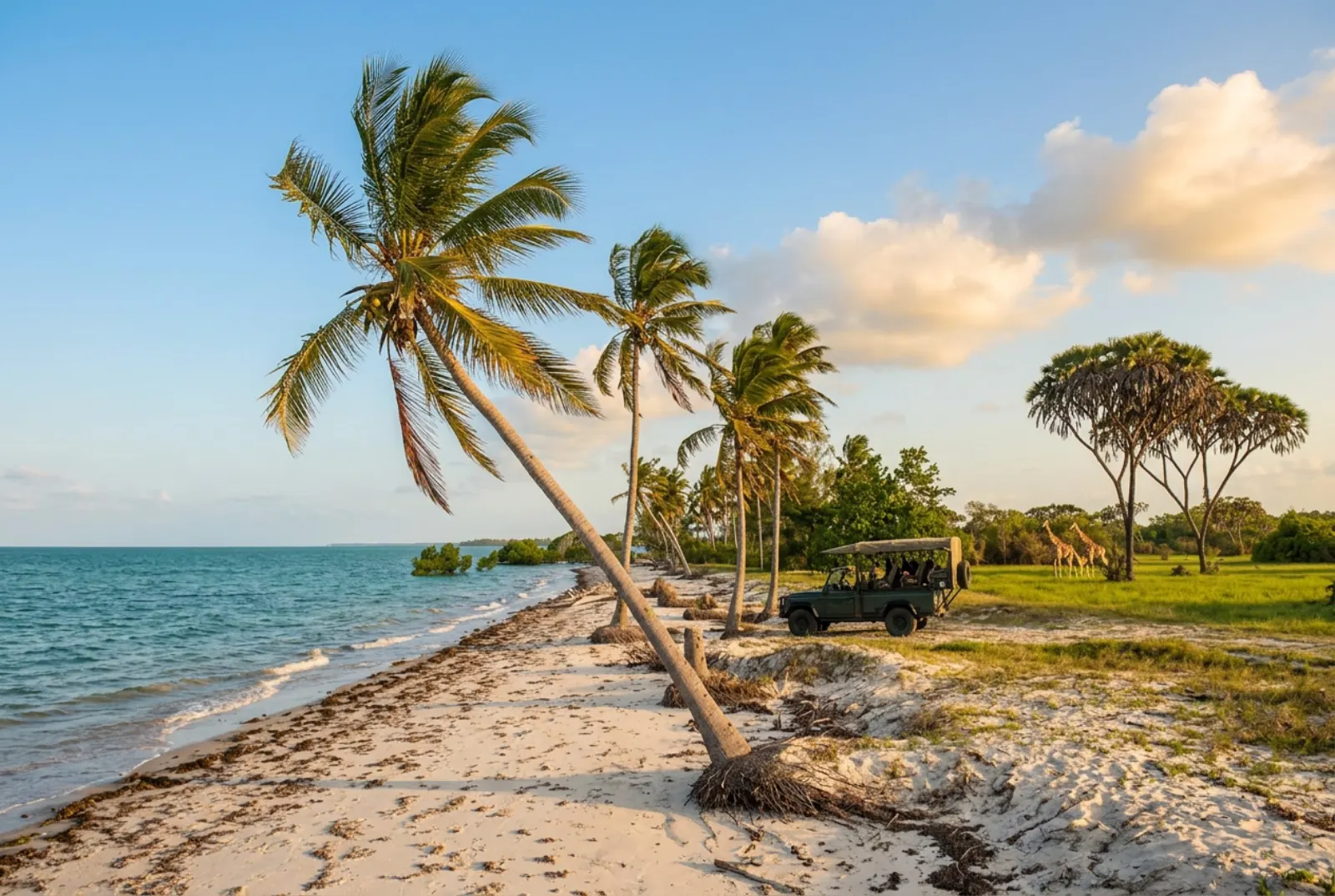
- Saadani (Wed) — mainland, where savannah meets ocean.
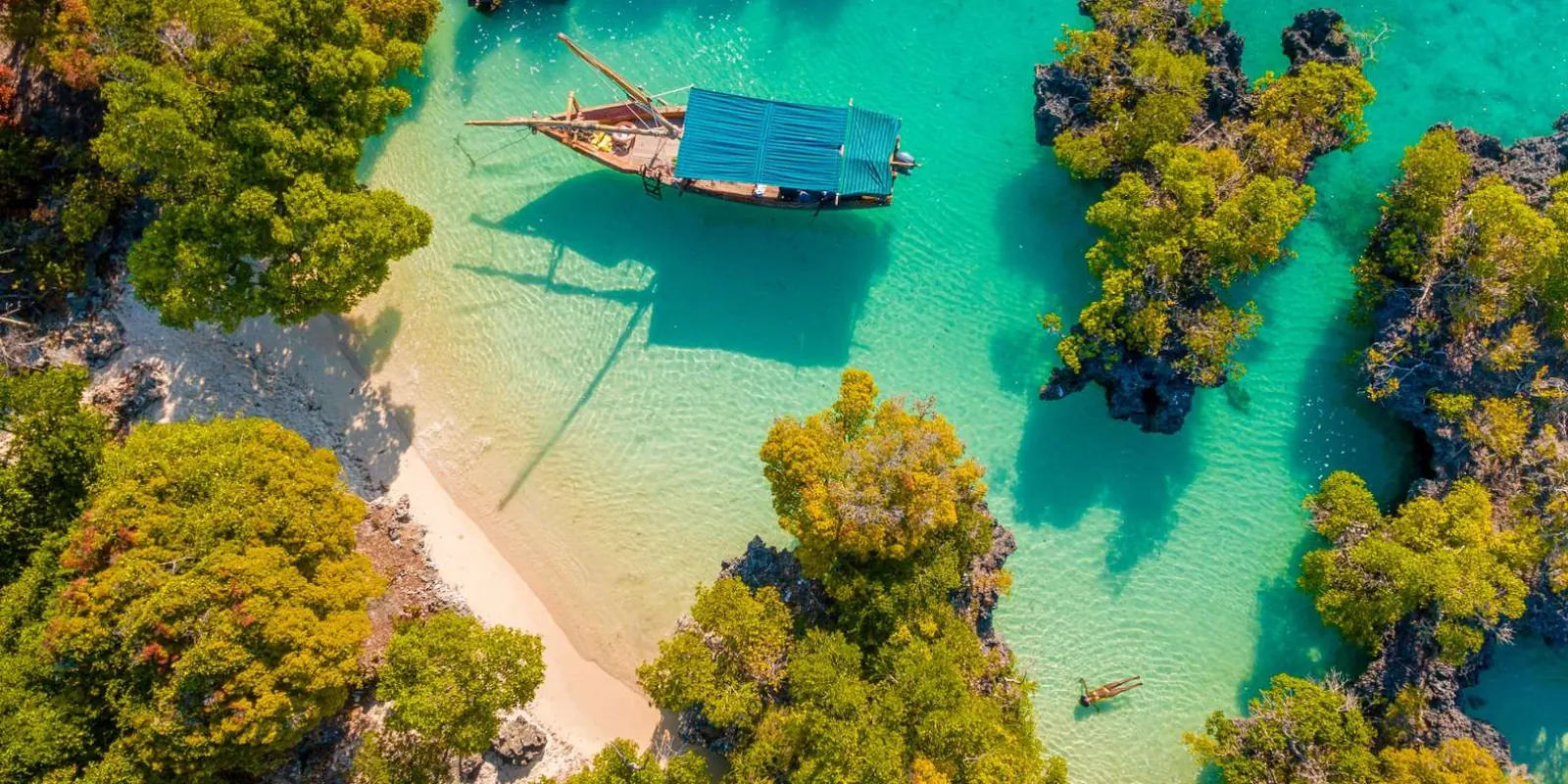
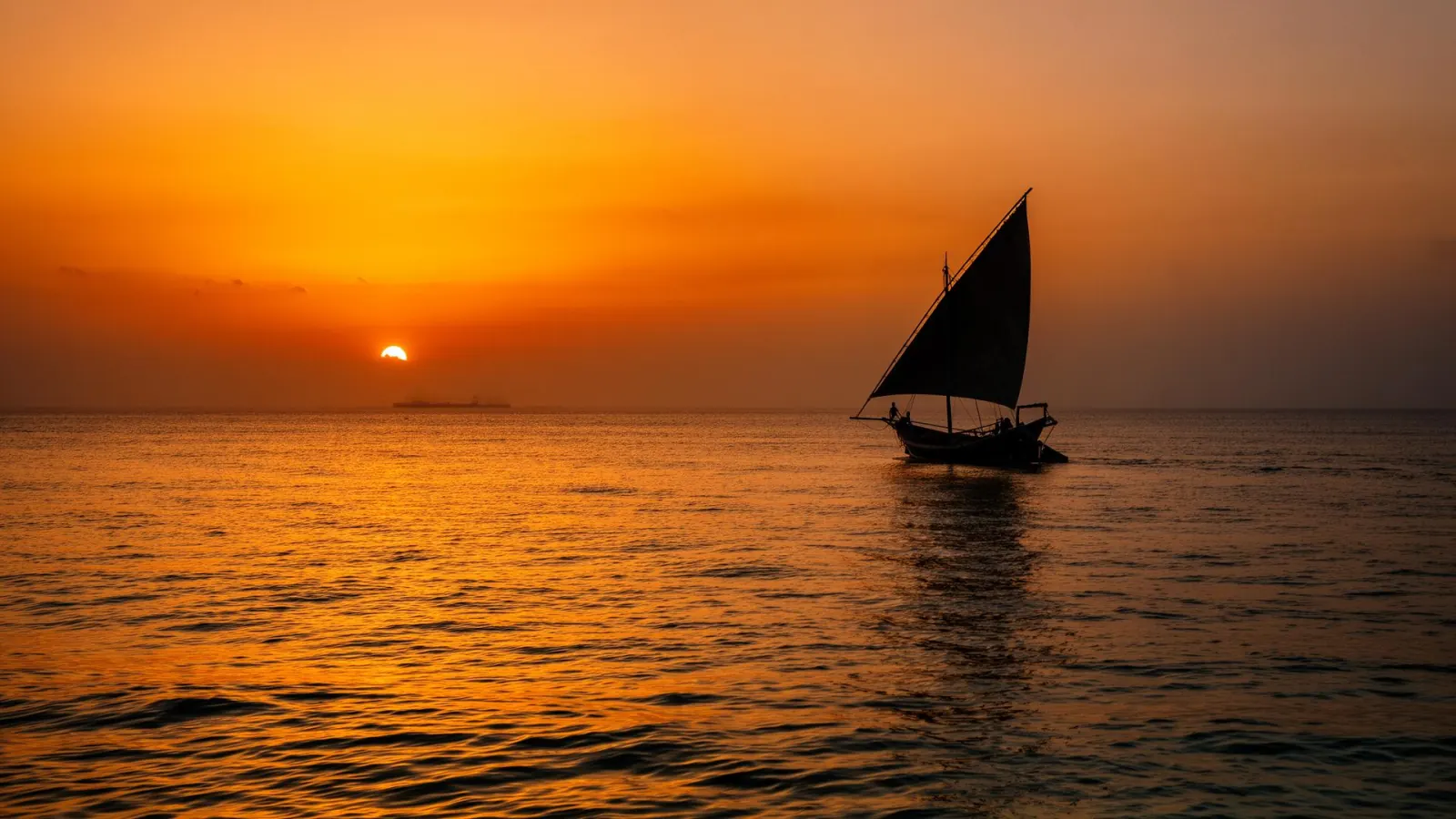
- Dhow (Fri) — sunset, north of the island.
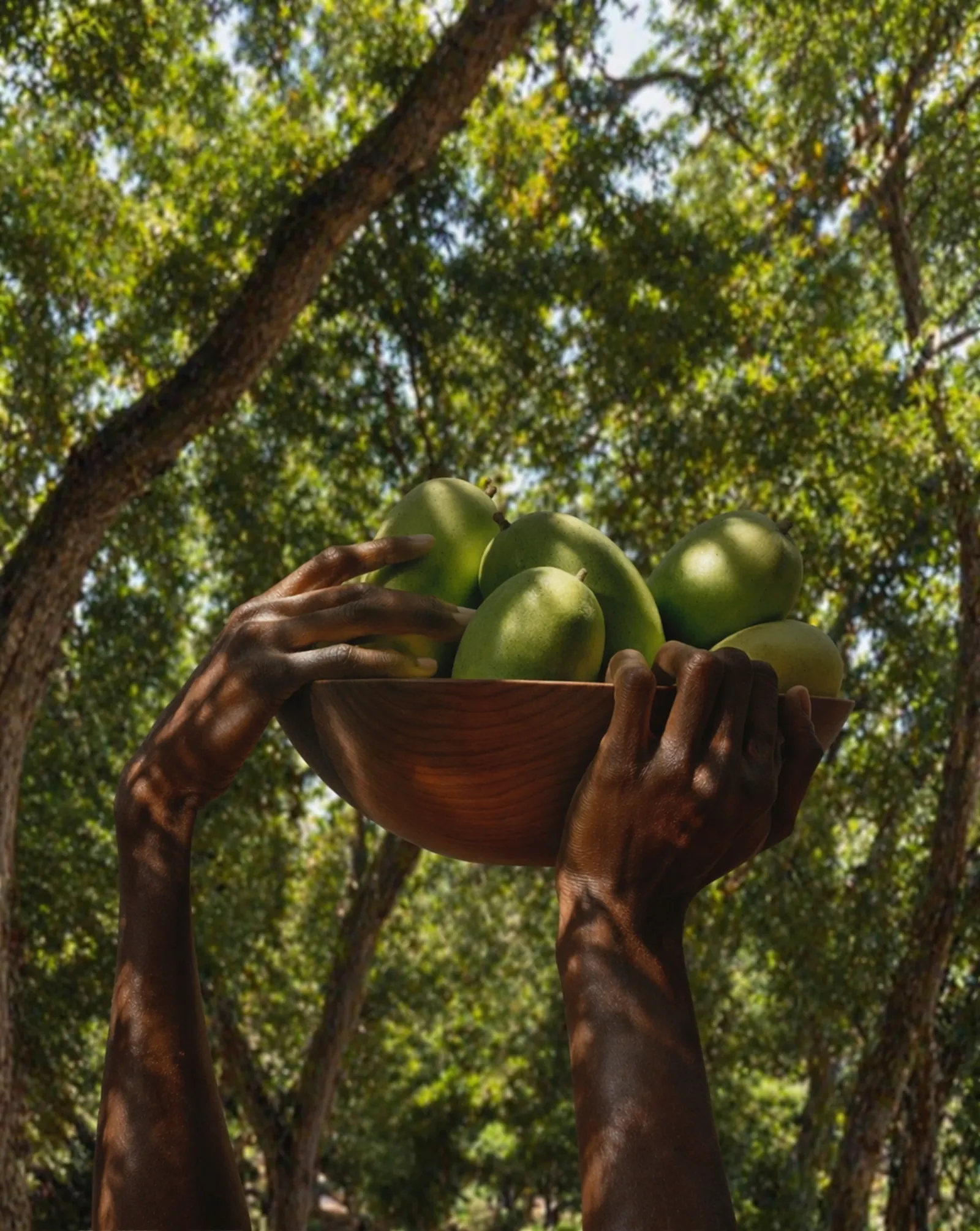
- Estate (Sun) — inland, long table.
Seasons
- Kaskazi (December – February) — Kaskazi is the northeast monsoon season. The calmest sea conditions usually occur during this period.
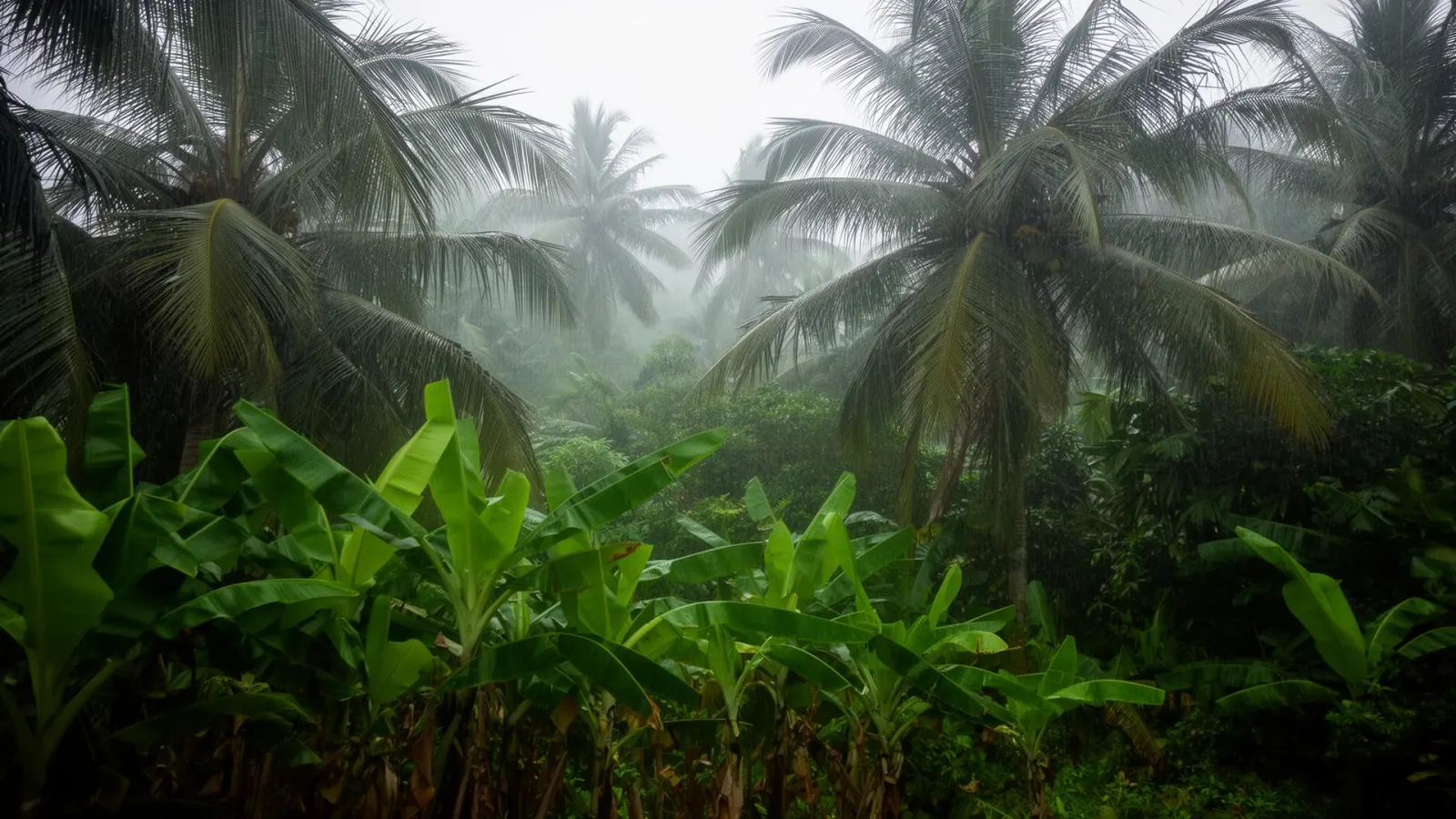
- Masika (March – May) — Masika is the main rainy season. Heavy rainfall, lush landscape, slower travel period.
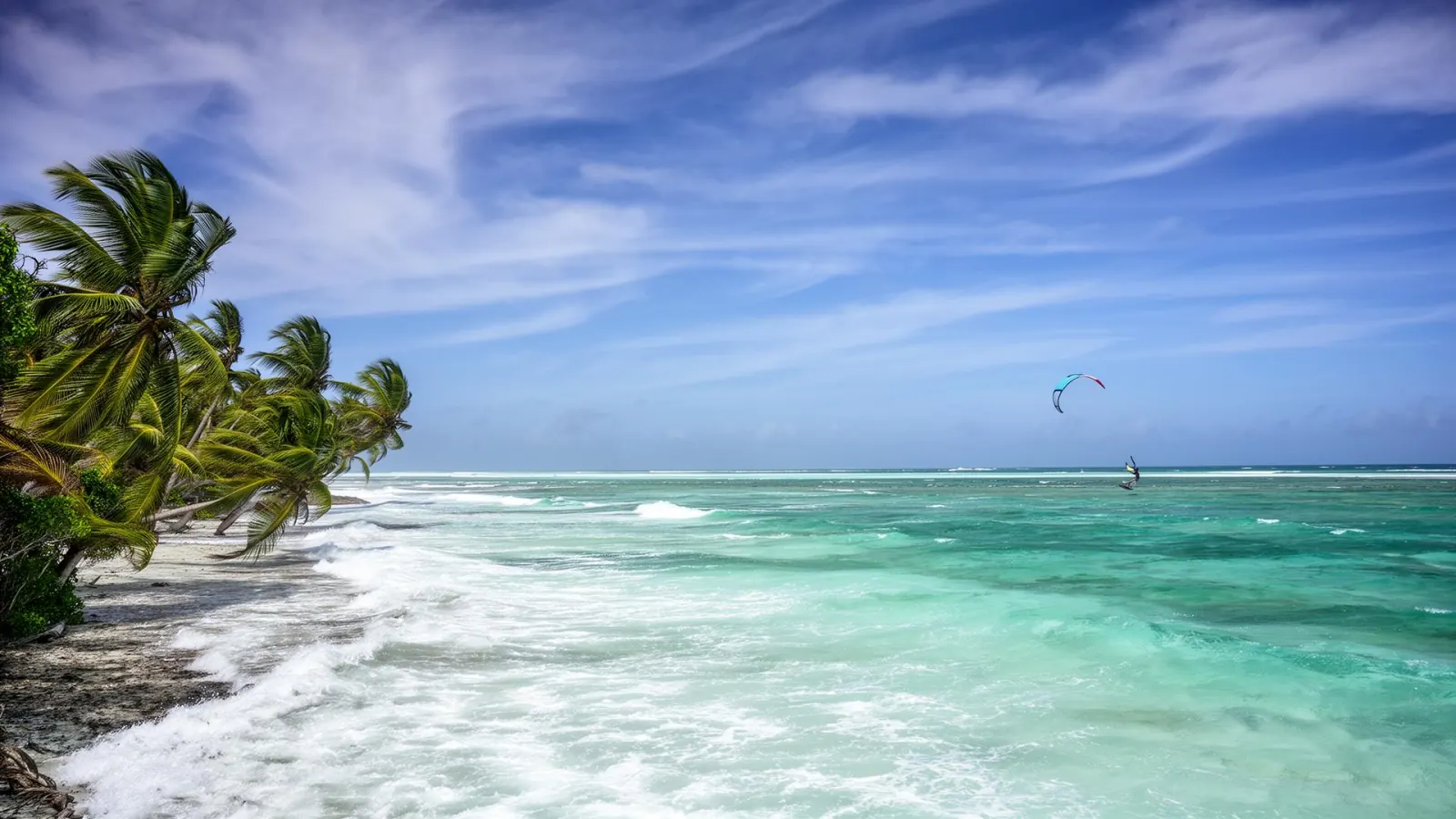
- Kuzi (June – September) — Kuzi is the southeast monsoon. Dry, breezy, cooler temperatures — best for kitesurfing.
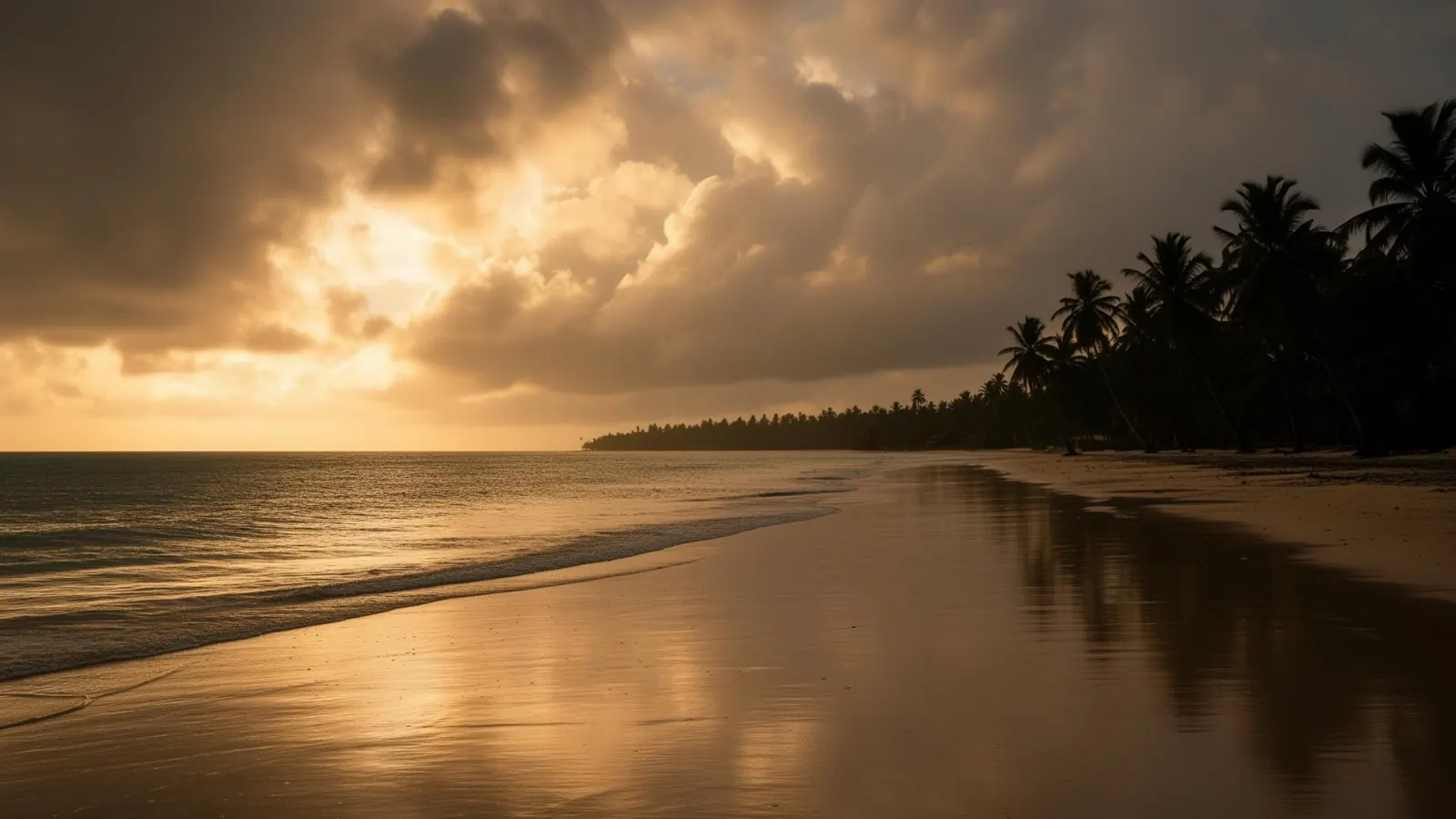
- Vuli (October – November) — A transitional period. Brief rainfall, quieter island, glassy seas returning.
2026 events
- Sauti za Busara — Feb 5 – 8 2026, Stone Town. Four nights of East African music at the Old Fort.
- Zanzibar Gathering — Feb 2 – 9 2026, Paje Beach. Daytime beach parties, late-night club sessions, sandbank madness — a tribe of music lovers gathered in paradise.
- World Travel Awards — Aug 28 2026, Zanzibar. The industry visits the island.
- Embe Estate table — Aug 29 2026, Near Jozani. A long table at Embe Estate. By invitation.
- Zanzibar Revolution Day — Jan 12 2026, Island-wide. National holiday. Marches in Stone Town, quiet beaches.
- Ramadan — Feb 7 – Mar 8 2026, Island-wide. The fasting month. Days quiet, evenings unfold after iftar.
- Eid al-Fitr — Mar 9 – 10 2026, Island-wide. The end of Ramadan. Stone Town fills, family days, new clothes.
- Zanzibar International Film Festival — Jun 24 – 28 2026, Stone Town. Cinema on the seafront at the Old Fort.
- Mwaka Kogwa Festival — Jul 23 – 24 2026, Makunduchi. Fire, ritual, release — the island resets itself.
- Yoga Week — Sep 14 – 20 2026, Zanzibar. Slow mornings on the east coast. Practice with the wind.
- Embe Parfum — Oct 26 2026, Zanzibar. A scent released with the season's return.
- Artists in Residence — Nov 2 – 9 2026, Zanzibar. Small groups arrive. Work begins quietly across the island.